What Does DDA Compliant Mean? A Guide to Accessible Door Hardware.

DDA compliance for a building refers to meeting the accessibility requirements of the Disability (Access to Premises – Buildings) Standards, made under the Disability Discrimination Act 1992. For door hardware specifically, meeting this requirement means specifying products tested and certified to AS1428.1 – Design for Access and Mobility, the Australian Standard that sets out the physical dimensions, opening forces and operating characteristics accessible door hardware must meet. When a lever, closer or handle is described as "AS1428.1 compliant," that's the standard doing the work.
A general note, outside the Lockwood corpus: the DDA and its Premises Standards are legal instruments, not product specifications — for building-specific compliance obligations, that's a question for a building certifier or access consultant, not a hardware catalogue.
What does DDA compliant mean for door hardware?
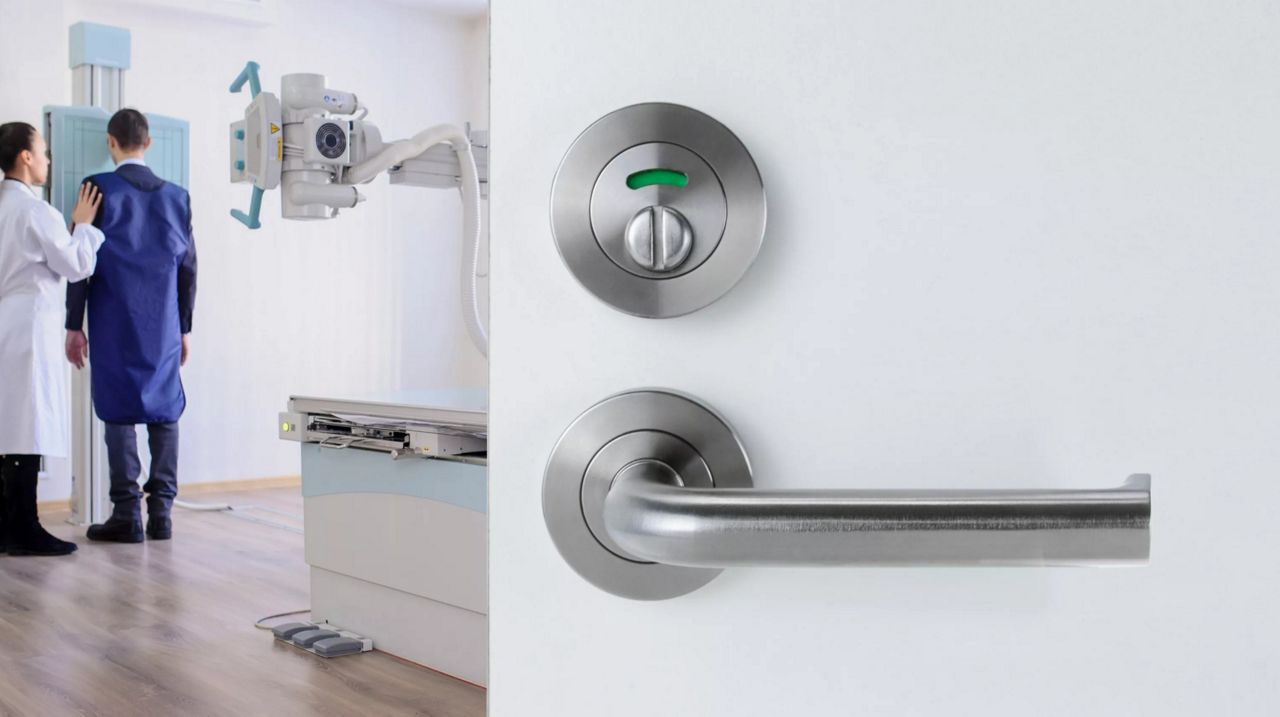
In practice, DDA-driven accessibility for doors comes down to three things AS1428.1 tests for: lever geometry a hand can operate without tight grasping or twisting, opening forces low enough for someone with limited strength, and hardware positioned where it can be reached from a seated position. Lockwood's catalogues certify individual products against AS1428.1 rather than leaving it to guesswork, so a specifier can check compliance lever-by-lever and closer-by-closer rather than relying on a general "accessible-friendly" label.
Which door levers are AS1428.1 compliant?
Not every lever in a range is compliant, and the difference often isn't obvious from the design alone. Lockwood's rose door furniture catalogues certify individual lever numbers against the standard, based on measured length, projection and finger clearance:
- AS1428.1-compliant levers include lever numbers 47, 59, 70, 74, 76, 77, 90, 102, 111, 112, 115, 116, 118, 124, 131, 132, 133, 142, 144, 145, 155 and 166, along with the handed levers 41, 122 and 153 (these must be specified left or right at order). Finger clearance on the compliant range generally sits around 40mm, with a few levers running slightly tighter or wider depending on projection.
- Non-compliant options include lever numbers 97, 101, 104, 106, 123 and 178, and knob-style furniture such as Lever 20. Knobs in particular fail the standard because they require a pinching or twisting grip, which is exactly what AS1428.1 is designed to rule out.
This means the choice isn't simply "lever versus knob" — it's checking the specific lever number against the compliant list. Lockwood's door handle, lever and knob hardware range carries both compliant and non-compliant options side by side, so the certification has to be checked per product rather than assumed for the whole collection.
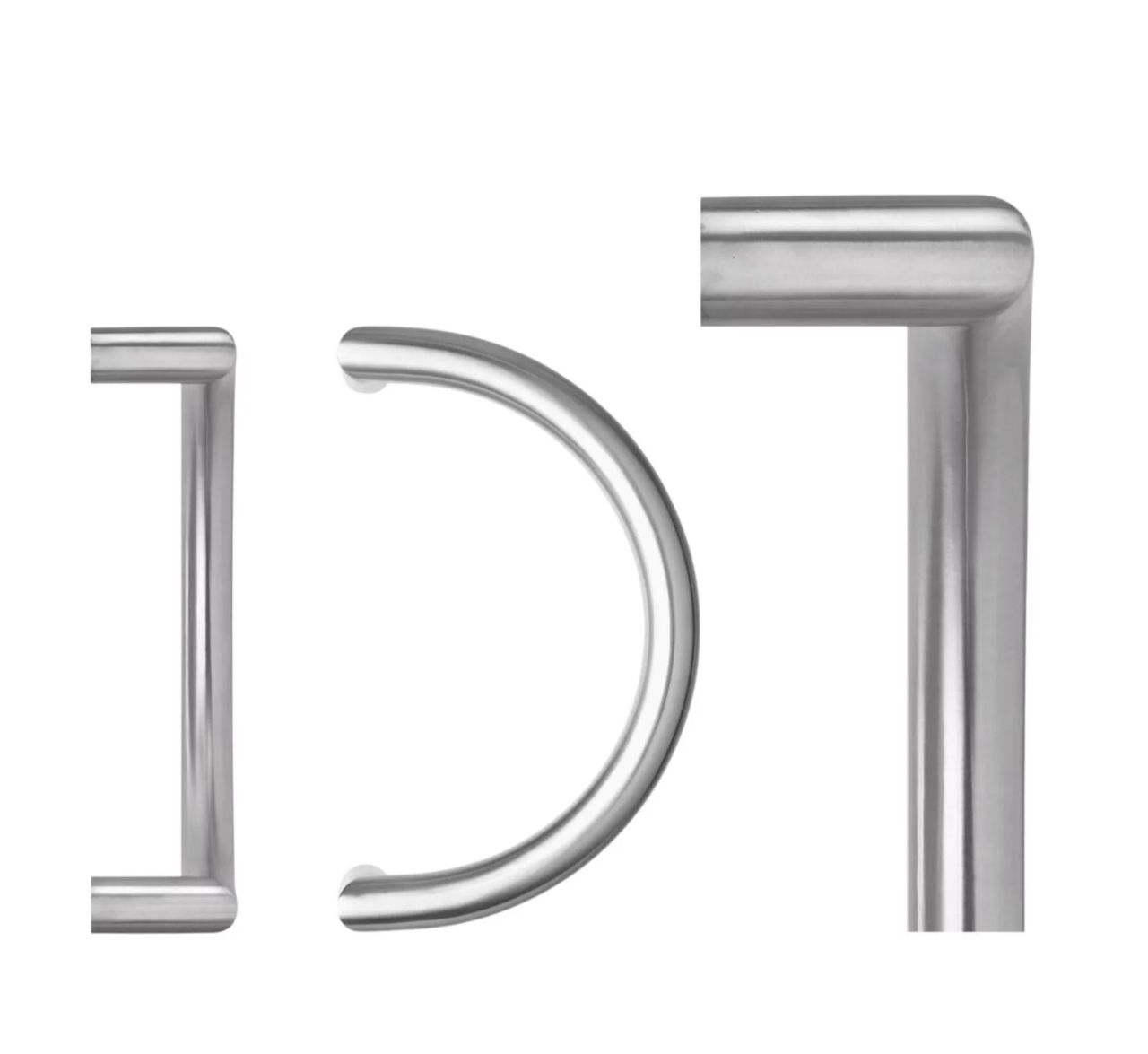
Push and pull furniture follows the same logic on entry doors: Lockwood's entrance handle range spans several series in 304 stainless steel and is AS1428.1 compliant, making it a straightforward accessible-entry pairing alongside a compliant lever set.
What opening force does AS1428.1 require for door closers?
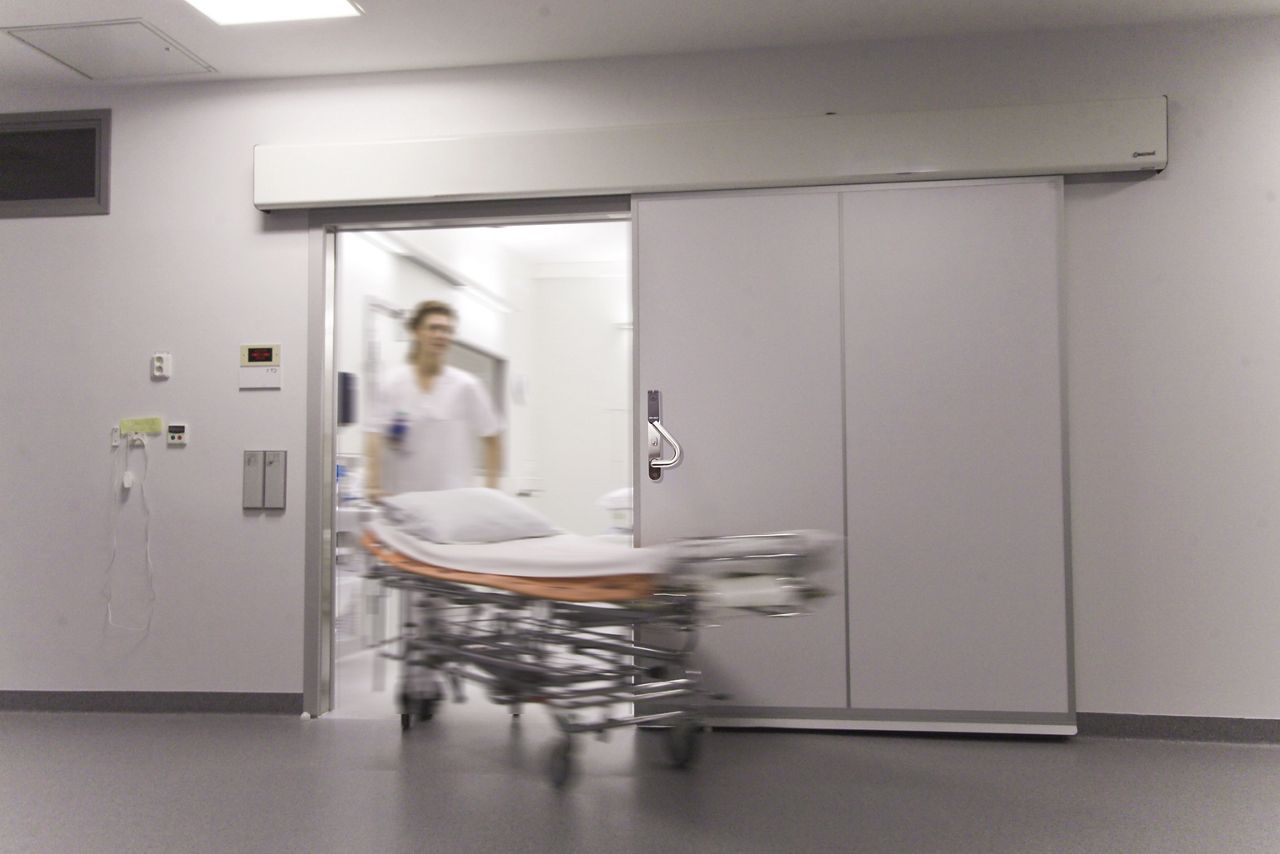
Door closers are covered separately, under AS1428 Clause 13.5.3(e), which sets the maximum opening force a door closer can impose. This matters because a closer that's too strong can make a door unusable for someone with limited strength, regardless of how compliant the lever is. Lockwood's concealed closer range addresses this directly — both the 8014 and 8015 concealed closers are certified against Clause 13.5.3(e) and are adjustable down to light opening resistance, with the 8014 covering EN size 1-4 and the 8015 extending to EN size 1-5 for larger doors.
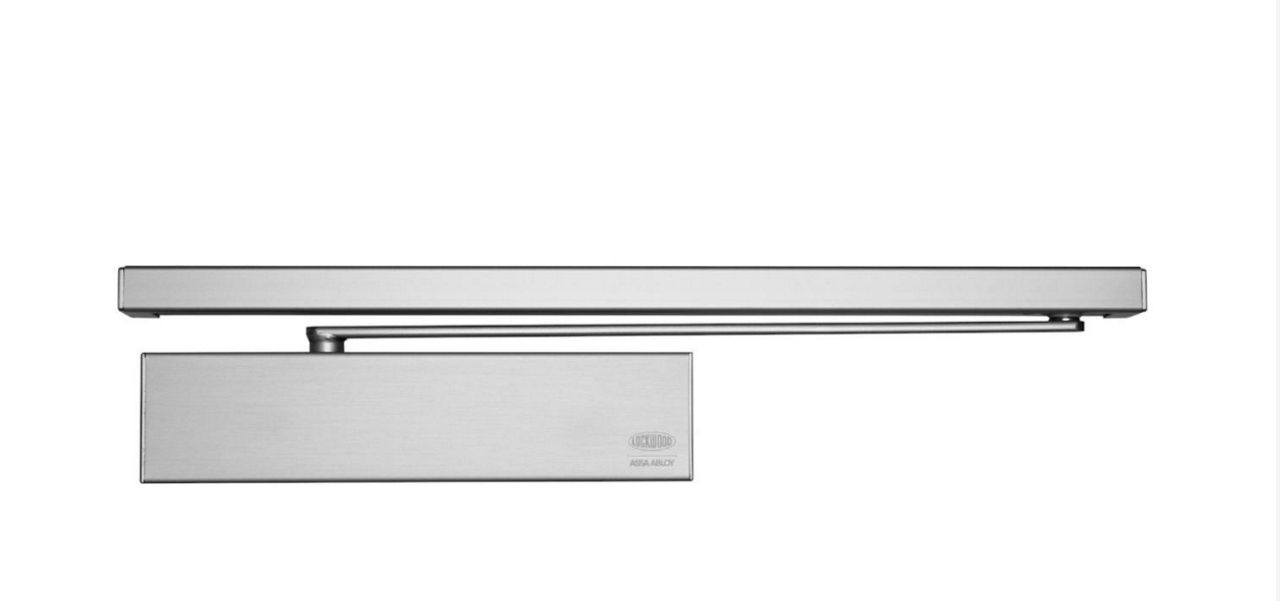
On the surface-mounted side, the 2616 CAM action closer is built for the same purpose: it's a lighter-to-open alternative to rack-and-pinion closers, adjustable across EN power sizes 1 to 6, and is specifically suited to children, elderly and disabled users.
Can you put a door closer on a disabled toilet?
Yes — but the mechanism matters more than it does on a standard door. An accessible toilet door needs a closer that can still be pushed open in an emergency, even from the "wrong" side, in case someone falls against the door from inside. Lockwood's 2615 CAM action closer is purpose-built for this: it carries a double-action breakout mechanism that lets the door be operated in the opposite direction to normal closing, which is the specific feature that makes it suitable for disabled toilet compliance. It's certified to both AS1905.1 for fire performance and AS1428.1, and runs a slightly lighter power range (EN1-5) than the standard 2616.
Specifying hardware for accessible doors
For a fully compliant accessible doorway, the practical checklist is:
- A lever from the AS1428.1-compliant list above, matched to the door's mortice lock platform
- An entrance or pull handle from Lockwood's AS1428.1-compliant push/pull range where the door needs both push and pull furniture
- A door closer certified against AS1428 Clause 13.5.3(e) for opening force — the 8014, 8015 or 2616 for general accessible doors
- For accessible toilets specifically, the 2615 CAM closer with double-action breakout in place of a standard closer
Getting the lever right and leaving the closer at default settings is one of the more common gaps in accessible fit-outs — the standard covers both, and the two need to be specified together.
Choosing accessible hardware with confidence
DDA compliance for door hardware isn't a single tick-box — it's a lever, a closer and a handle that each carry their own AS1428.1 certification. All three need to be checked, not assumed but the good news is that the checking is straightforward once you know where to look. You must match the lever number against the compliant list, confirm the closer meets Clause 13.5.3(e) for opening force, and swap in the 2615 wherever a door closer sits on an accessible toilet.
Specified this way, accessible hardware doesn't need to look institutional or feel like an afterthought. Lockwood's compliant levers and closers sit across the same ranges used on standard doors, so accessibility can be built into a project's hardware schedule from the start rather than retrofitted later.
Related products
Rose Door Handles
Produced from the highest quality materials and backed by the Lockwood 25 Year Mechanical Warranty. The natural choice for Architects, Builders and Home Owners alike.Door Control | Door Closers
Door closers are used to ensure doors close automatically and can be used for fire control, security, privacy or environmental requirements.

