What’s a Deadbolt - and Why It Matters for Your Home Security
What’s a Deadbolt - and Why It Matters for Your Home Security
When it comes to keeping your home safe, not all locks are created equal. That’s where deadbolts come in. They’re simple, strong, and far more secure than your standard spring-loaded doorknob lock. If you’ve ever wondered what makes a deadbolt different - and whether you need one - read on.
What Exactly Is a Deadbolt?
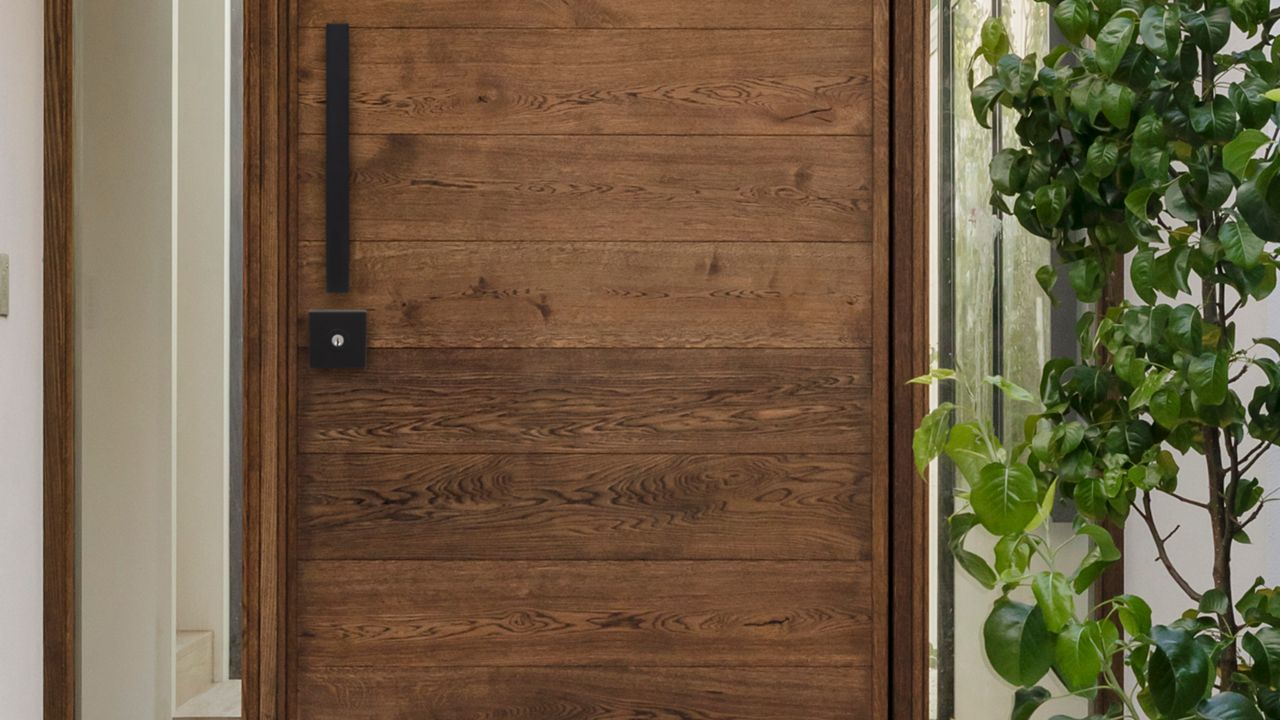
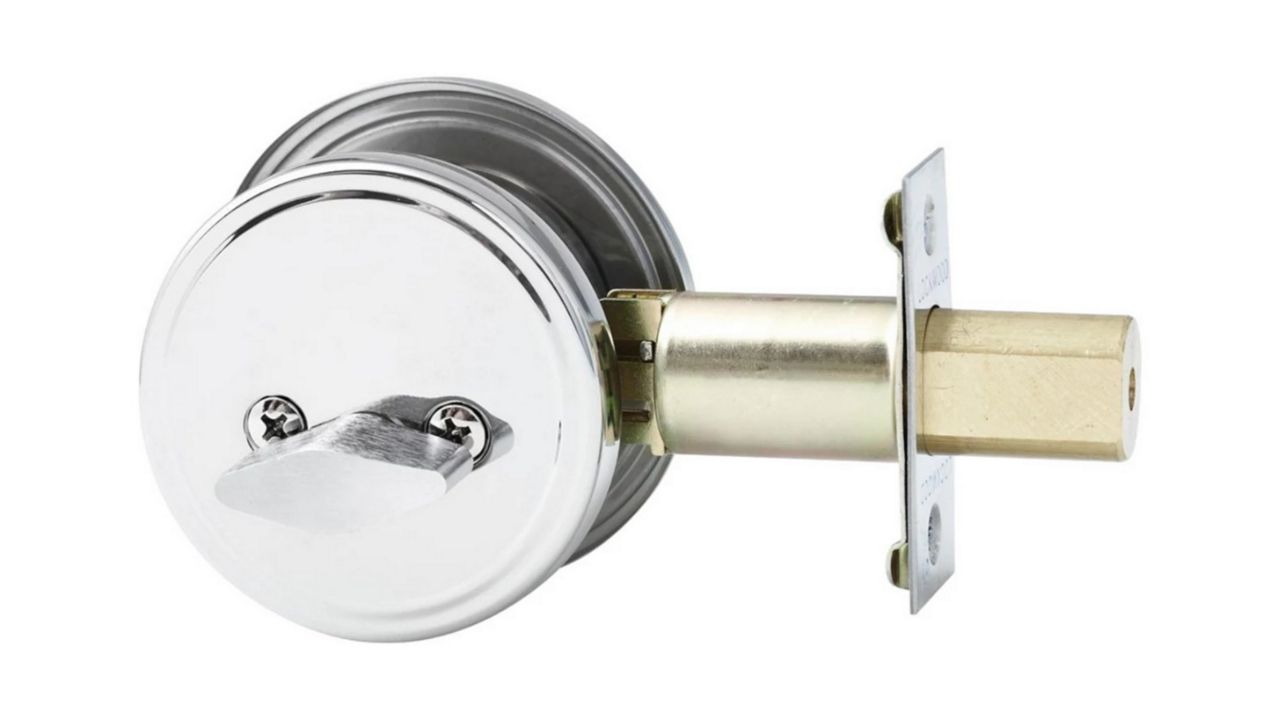
A deadbolt is a type of lock designed for serious security. Unlike regular locks that use a spring mechanism, a deadbolt features a solid metal bolt that slides directly into your door frame when locked.
That means:
- No spring = no easy “bump key” or credit card trick.
- It stays locked until you manually unlock it—either with a key or a thumb turn.
In short, it’s a solid barrier between your home and the outside world.
How Does a Deadbolt Work?
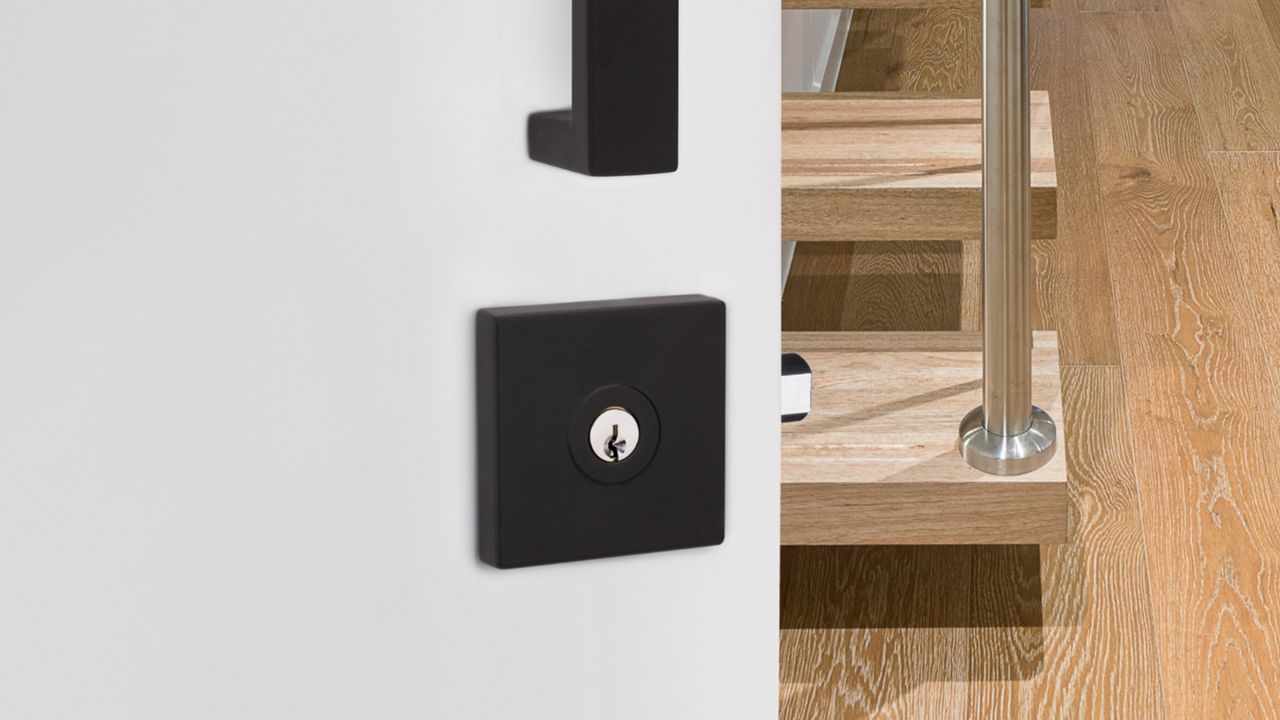
Super simple. When you turn the key from outside (or twist the thumb turn inside), the bolt slides into the door frame. It won’t budge until you do the same action in reverse. No automatic retraction. No spring pop. Just dependable locking.
This is exactly what makes deadbolts more resistant to forced entry than standard locks.
Types of Deadbolts
Let’s break down the two most common types so you can pick what’s right for your home.
1. Single Cylinder Deadbolt
This is the classic setup - keyhole on the outside, thumb turn on the inside.
Best for:
- Standard front doors
- Homes without glass near the door
Pros:
- Easy to use from the inside (no key needed)
- Simple, affordable, and effective
- Great for quick exits in emergencies
Heads-up: If there’s a window near the door, someone could break the glass and reach in to unlock it from the inside.
2. Double Cylinder Deadbolt
This version requires a key on both sides - outside and inside. There’s no thumb turn.
Best for:
- Doors with glass panels or nearby windows
- High-security needs
Pros:
- Harder for intruders to bypass (even if glass is broken)
- Ideal for doors in more vulnerable spots
Important safety tip:
Because you’ll need a key to unlock from the inside, always keep one somewhere easy to grab in case of fire or emergency. Don’t store it in another room - you want quick access, not a scavenger hunt.
Single vs. Double Cylinder: What to Consider
| Feature | Single Cylinder | Double Cylinder |
| Key needed inside? | No | Yes |
| Good for emergencies? | ✅ | ⚠️ (if key isn’t nearby) |
| Higher security? | Moderate | High |
| Best for | Most homes | Glass-heavy doors |
Cost & Installation
- Single cylinders: More affordable, easier to install.
- Double cylinders: Slightly pricier, but offer more protection where needed.
Either way, a deadbolt is a cost-effective way to seriously upgrade your home’s security.
Which Deadbolt Should You Choose?
Here’s a quick decision guide:
- Just need basic security? Go with a single cylinder.
- Have glass near your door? A double cylinder adds peace of mind.
Worried about fire safety? Stick with single, or keep a key near your double-cylinder deadbolt.
Final Thoughts
A deadbolt might seem like a small upgrade, but it can make a huge difference in how secure your home feels. Whether you go for a single or double cylinder, the right deadbolt is all about finding the balance between safety, convenience, and peace of mind.
Looking to Upgrade Your Home Security?
Deadbolts are one of the simplest yet most effective ways to protect your home. Whether you're after basic protection or need something more secure for glass-panel doors, there's a deadbolt to suit every need.
Browse our full range of deadbolts here and find the perfect match for your door today.
Related products
Lockwood 005 Double Cylinder Round Deadbolt
High security Deadbolt with LockAlert® and SafetyRelease™Lockwood 005 Double Cylinder Square Deadbolt
High security Deadbolt with LockAlert® and SafetyRelease™Lockwood Paradigm® Pull Handle Lockset - Deadbolt
Deadbolt version for an elegant entry.Lockwood Symmetry 7106 Single Cylinder Deadbolt
General purpose single cylinder deadbolt.Lockwood Symmetry 7107 Double Cylinder Deadbolt
General purpose double cylinder deadbolt.Lockwood Latching Paradigm® 005
Premium security solution with its innovative safety features.


